
Most Recent
Ruby Patches Ruby2Shell Vulnerability That Could Lead to RCE
Tracked as CVE-2026-132825, the bug is a heap-based buffer overflow that could lead to remote code execution (RCE). The post Ruby Patches Ruby2Shell Vulnerability That Could Lead to RCE appeared first on SecurityWeek.

Hackers Exploit Critical Cisco Expressway Flaw, Breach Four Devices and Reach Internal Network
Threat actors have been observed exploiting a recently disclosed critical security flaw in Cisco Expressway to breach a Russian organization shortly after the public release of a proof-of-concept (PoC) exploit. The activity involves the exploitation of CVE-2026-76466 (CVSS score: 9.8), a vulnerability that could allow an unauthenticated, remote attacker with network access to a Cisco Expressway
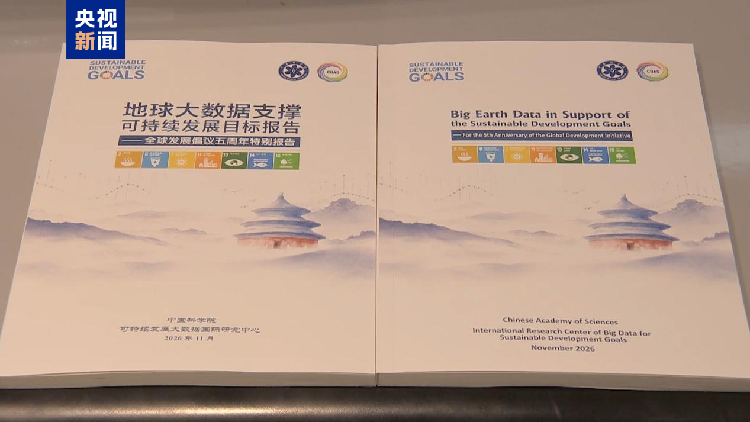
China close to hitting 62.8% of green goals, report says
China close to hitting 62.8% of green goals, report says

Revealed: The most handsome James Bond actors, according to science - with Robert Pattinson fifth on the list
As Robert Pattinson is announced as the latest James Bond, a facial surgeon has revealed how he stacks up against his predecessors.

What are heat pumps and how much do they cost?
The government wants more homes to have heat pumps to cut fossil fuel use and drive down energy bills.
Huawei Watch Air Launching November 24 With 6.9mm Titanium Body; Key Specs Leak
The Huawei Watch Air is expected to feature a 1.92-inch AMOLED display with LTPO 2.0 technology and up to 3,500 nits of peak brightness. It could weigh around 27g and pack a high-silicon stacked battery rated to last up to seven days. The smartwatch is also tipped to offer health tracking features similar to the Huawei Watch 6 and sports tracking capabilities comparab...
Ethereum Faces Possible Glamsterdam Upgrade Delay Over Network Compatibility
Ethereum developers are reconsidering the Glamsterdam upgrade timeline after identifying compatibility problems tied to proposed gas-pricing changes. The review has involved at least 50 affected companies, including exchanges, wallets, and blockchain bridges. While most issues can be addressed through configuration changes, 24 require smart contract fixes or migration...
Nvidia RTX Spark AI Laptops With 128GB Unified Memory Showcased in India
Nvidia held its RTX Spark Experience event on Friday, showcasing a new category of AI-focused Windows PCs. Several brands unveiled their latest laptops and desktop systems powered by Nvidia’s RTX Spark superchip. The lineup includes slim laptops and compact desktops from Asus, Dell, HP, Lenovo, and MSI. Nvidia says the systems combine a Blackwell RTX GPU and a Grace...

Quantum Computing Is Even Weirder Than You Think
In a new study, Google researchers demonstrated a strange phenomenon called quantum contextuality, in which a quantum machine’s data can change as the context does.
The Internet Broke Our Taste. Will A.I. Destroy It for Good?
In a world of slop capitalism, vibe-crafted culture and taste paranoia, why we like what we like feels harder than ever to know.